

- Mon-Sat (10am - 7pm)
Sun (Closed)

- +91- 96193 64666
+91-98200 84860
Call Us

About Us
We must explain to you how all seds this mistakens idea off denouncing pleasures and praising pain was born and I will give you a completed accounts off the system and expound.
ConsultationContact Info
- Rock St 12, Newyork City, USA
- (000) 000-000-0000
- [email protected]
- Week Days: 09.00 to 18.00 Sunday: Closed
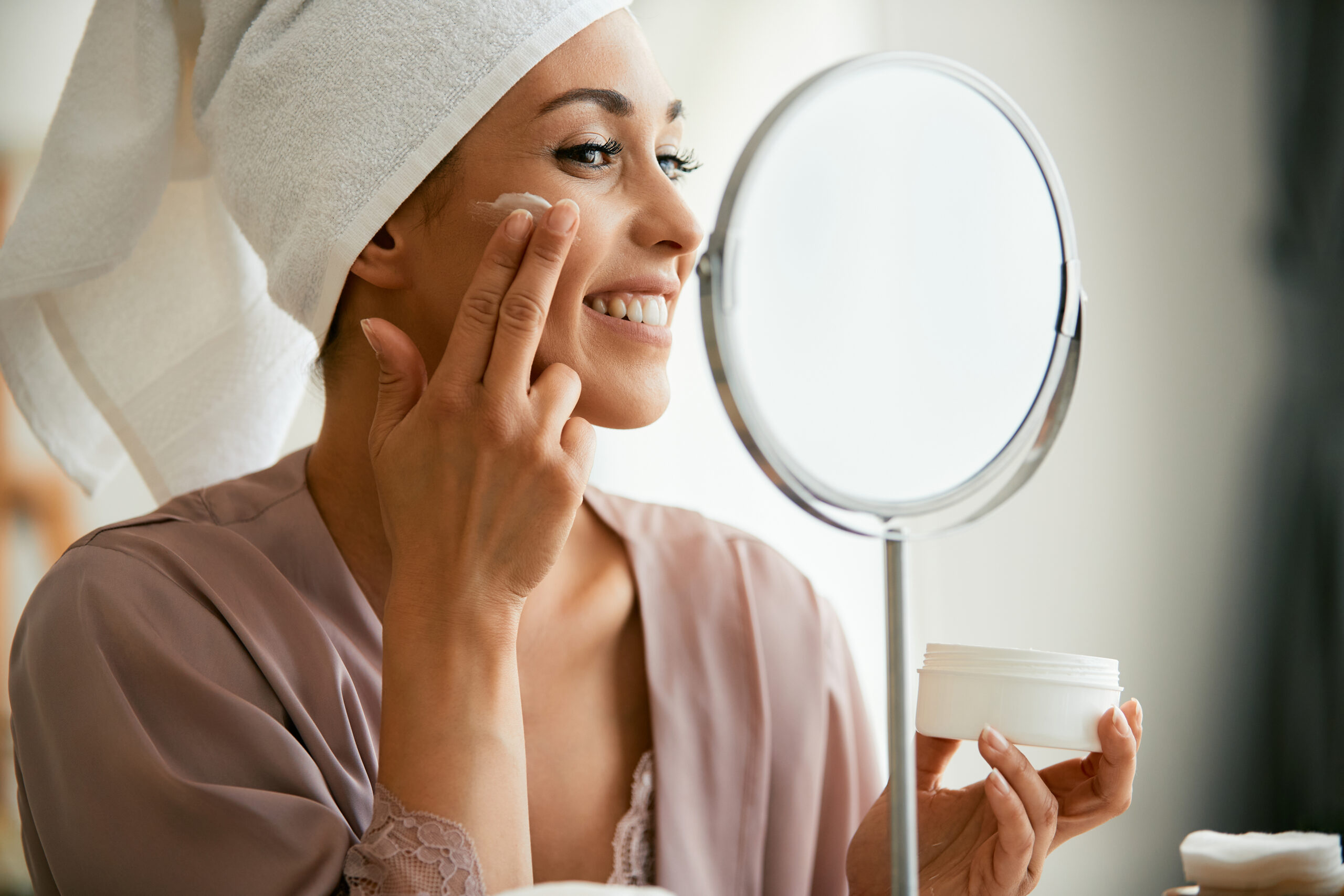
When it comes to skincare, choosing the right products with effective ingredients is key to achieving healthy and radiant skin. With a multitude of options available, it can be overwhelming to navigate the world of skincare ingredients. This list of ingredients have been scientifically proven to deliver a range of benefits, from hydration and protection to anti-aging and brightening effects.
- Hyaluronic Acid: Hyaluronic acid is a powerhouse ingredient for hydration. It has the ability to hold up to 1000 times its weight in water, making it highly effective at moisturizing the skin, reducing the appearance of fine lines and wrinkles, and promoting a plump and supple complexion. Look for products containing hyaluronic acid for intense hydration and improved skin texture.
- Retinoids: Retinoids, derived from vitamin A, are renowned for their anti-aging properties. They stimulate collagen production, promote cell turnover, and reduce the appearance of fine lines, wrinkles, and age spots. Retinoids can also help with acne treatment and improve overall skin texture. Incorporate retinol or prescription-strength retinoids into your skincare routine for visible anti-aging effects.
- Vitamin C: Vitamin C is a potent antioxidant that brightens the skin, evens out skin tone, and protects against environmental damage. It boosts collagen production, fades hyperpigmentation, and improves the skin’s natural radiance. Look for stabilized forms of vitamin C, such as ascorbic acid or its derivatives, in serums or creams for a youthful and glowing complexion.
- Niacinamide: Niacinamide, also known as vitamin B3, offers a wide range of benefits for the skin. It helps regulate sebum production, refines pores, reduces redness, and improves overall skin texture. Niacinamide also enhances the skin’s barrier function, promoting hydration and protecting against environmental stressors. Look for niacinamide in serums or moisturizers for balanced and healthy-looking skin.
- Peptides: Peptides are amino acids that play a crucial role in collagen synthesis and skin repair. They can help firm the skin, improve elasticity, and reduce the appearance of wrinkles. Peptides also support the skin’s natural healing process, making them beneficial for post-inflammatory hyperpigmentation or scars. Seek out products with peptides for anti-aging and skin rejuvenation benefits.
- Alpha Hydroxy Acids (AHAs): AHAs, such as glycolic acid and lactic acid, are exfoliating agents that help remove dead skin cells, improve skin texture, and promote a smoother complexion. They can reduce the appearance of fine lines, sun damage, and uneven skin tone. Incorporate AHAs into your routine through cleansers, toners, or serums for gentle yet effective exfoliation.
- Beta Hydroxy Acid (BHA): BHA, commonly known as salicylic acid, is an excellent ingredient for those with acne-prone or congested skin. It penetrates the pores and helps remove excess oil and dead skin cells, preventing breakouts and promoting a clearer complexion. Look for BHA in cleansers, toners, or spot treatments for targeted acne control.
- Ceramides: Ceramides are essential lipids that help maintain the skin’s barrier function and prevent moisture loss. They enhance hydration, soothe dry or sensitive skin, and improve overall skin health. Look for ceramide-infused moisturizers or serums to restore and strengthen your skin’s protective barrier.
- Antioxidants: Antioxidants, such as green tea extract, vitamin E, or resveratrol, protect the skin against free radicals and oxidative stress caused by environmental factors like UV rays and pollution. They help prevent premature aging, reduce inflammation, and promote overall skin health. Incorporate antioxidant-rich serums or moisturizers into your routine for added protection.
- Sunscreen: While not a specific ingredient, sunscreen is a crucial product in any skincare routine. Look for broad-spectrum sunscreens with SPF 30 or higher to protect your skin from harmful UVA and UVB rays. Sunscreen helps prevent sunburns, premature aging, and reduces the risk of skin cancer.
Always remember to consult your dermatologist to know which products are best according to your skin type and your concern, before trying any products on your skin.