Premature greying or whitening of the hair


We must explain to you how all seds this mistakens idea off denouncing pleasures and praising pain was born and I will give you a completed accounts off the system and expound.
Consultation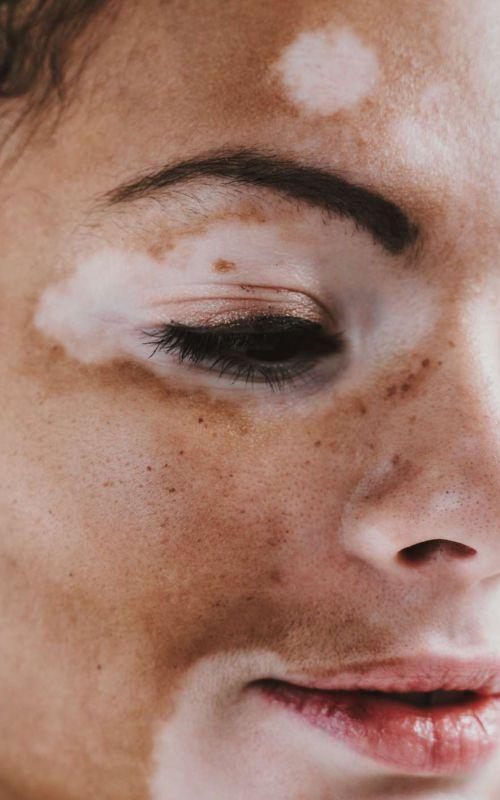
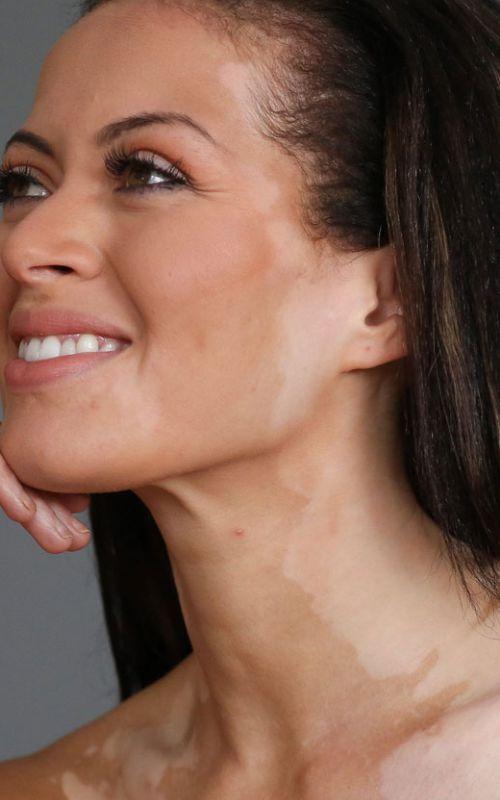
Vitiligo is a skin disorder in which colourless patches of skin appear.
Each person's entire amount of skin that vitiligo might affect is different. Additionally, it may have an impact on the hair, tongue, and eyes. The majority of the time, the affected areas are permanently stained.
There are several distinct theories regarding the causes of vitiligo, despite the fact that they are not all fully established:
Premature greying or whitening of the hair
Eyebrows or eyelashes turning white and losing colour
According to a study published in the Indian Dermatology Online Journal's November-December 2019 issue, the retina of the eye changes colour
Loss of colour in the mouth and nose
Inflammation of the eyes or ears, which causes visual issues and hearing loss
Concerns about looks can lead to low self-esteem or a negative self-image, which can lower quality of life
Vitiligo does not have a treatment. Medical treatment aims to achieve a uniform skin tone by either repigmenting (restoring colour) or removing the remaining colour (depigmentation). Surgery, light therapy, repigmentation therapy, and camouflage therapy are all common forms of treatment. Additionally, counselling might be advised.
When to visit a doctor
If some of your skin, hair, or mucous membranes start to lose colour, consult a dermatologist. Vitiligo has no treatment. However, therapy may stop or slow the discoloration process and help your skin regain some of its colour.