White skin flakes that itch on your scalp (dandruff). The flakes come loose when scraped, blend with your hair, or fall onto your neck and shoulders.


We must explain to you how all seds this mistakens idea off denouncing pleasures and praising pain was born and I will give you a completed accounts off the system and expound.
Consultation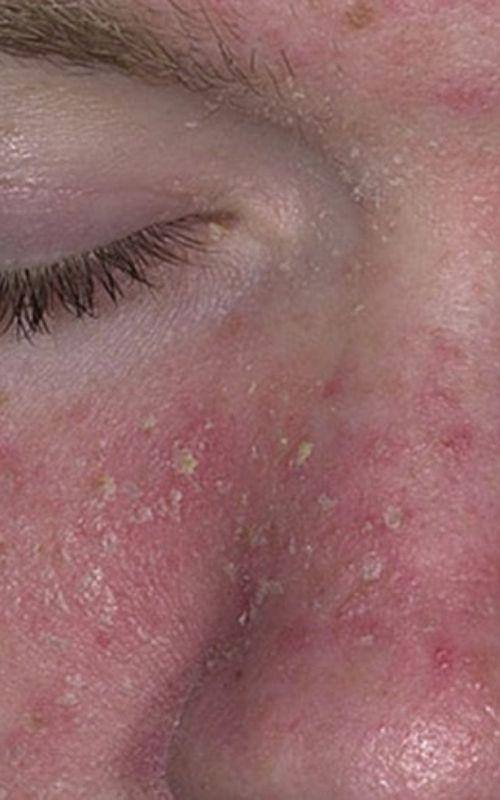
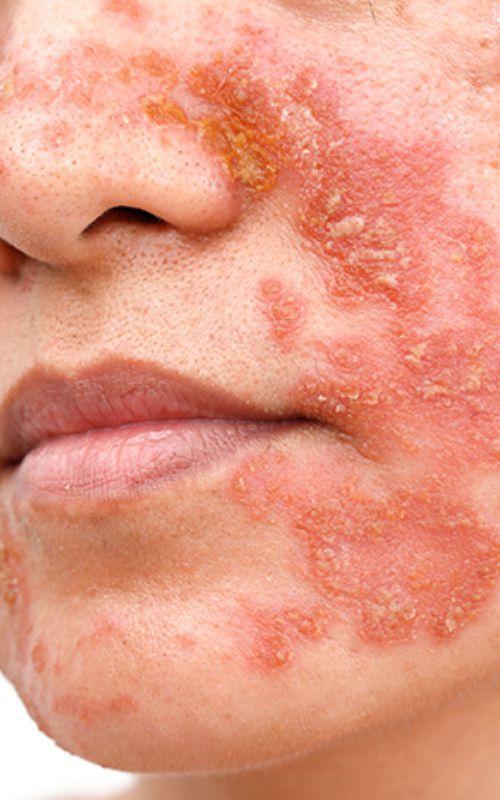
Seborrheic dermatitis doesn't seriously injure the body, including the hair. It is common but not contagious and manifests as red, dry, flaky, itchy skin on the scalp and other parts of the body. Its presence does not indicate dirty or diseased skin. Symptoms are controlled by medications.
Seborrheic dermatitis' precise cause is unknown to specialists. It seems to be a mixture of various things, such as genes, stress, an immune system reaction, certain medical conditions and medications, cold, dry weather, a yeast that ordinarily resides on your skin without causing issues.
White skin flakes that itch on your scalp (dandruff). The flakes come loose when scraped, blend with your hair, or fall onto your neck and shoulders.
Scales of rusty yellow on infants' heads (cradle cap). Although the cradle cap shouldn't itch, rubbing the area can aggravate the condition and damage the skin, which might result in bleeding or minor infections.
Blepharitis (scaly redness on the edges of your eyelids).
Scales that are pinkish plaques with thick skin on both sides of your face.
Flaky areas that resemble flower petals or rings are present on your breast and at the hairline.
Redness in the armpits, under the breasts, and in the genital folds and wrinkles.
Seborrheic dermatitis is a chronic skin condition that calls for constant care. However, you can effectively manage the issue by collaborating with a dermatologist to establish a successful skin care regimen, gaining awareness and eliminating causes.
Talk to an expert at Revitalis about trying the cures if home remedies don't help your symptoms.