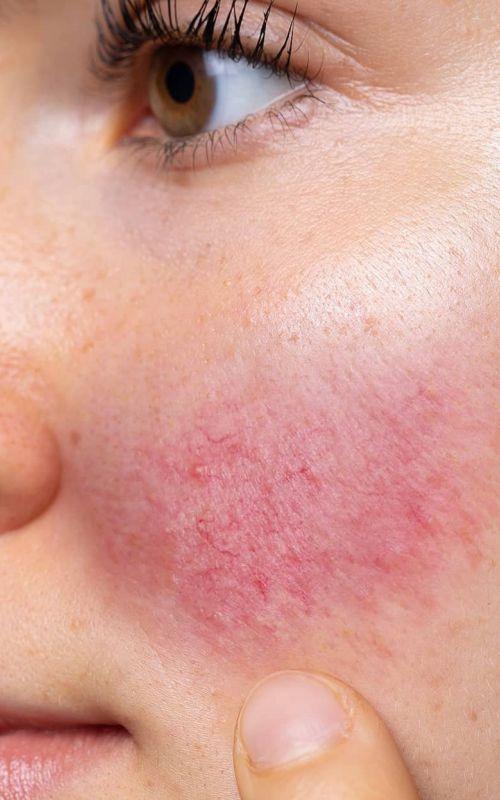
Flushing or blushing of the face. A persistent flushing or blushing in the middle of your face might be brought on by rosacea.


We must explain to you how all seds this mistakens idea off denouncing pleasures and praising pain was born and I will give you a completed accounts off the system and expound.
Consultation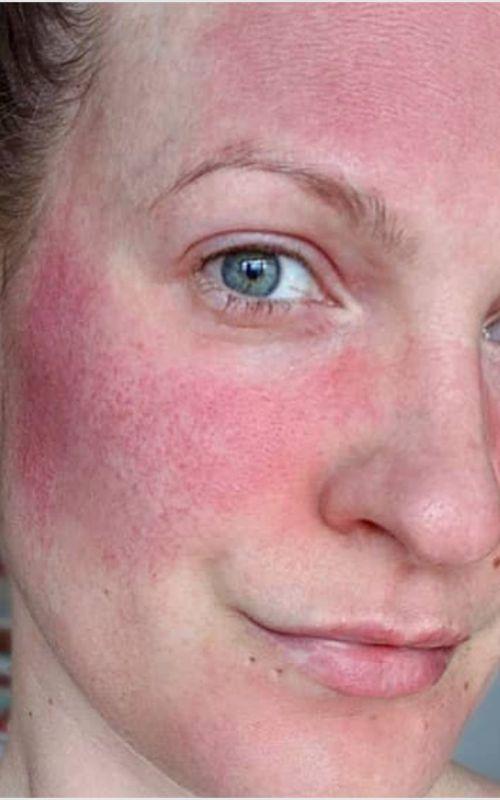
Rosacea is a common skin ailment that results in facial blood vessels that are visible and produces blushing or flushing. Additionally, it may result in tiny, pus-filled pimples. These symptoms and signs may fluctuate for weeks or months before subsiding temporarily. Rosacea can be confused with acne, other skin conditions, or ruddiness that occurs naturally.
Although the exact aetiology of rosacea is uncertain, numerous ideas exist. According to one theory, rosacea could be a symptom of a more widespread blood vessel problem. Other ideas contend that the disorder is brought on by minuscule skin mites, fungi, psychological causes, or an issue with the connective tissue beneath the skin. Although the exact aetiology of rosacea is unknown, certain situations and conditions can trigger it.
Flushing or blushing of the face. A persistent flushing or blushing in the middle of your face might be brought on by rosacea.
Visible veins. Your nose and cheeks' tiny blood vessels rupture and become apparent (spider veins).
Bloated bumps. Acne-like blemishes frequently appear on the faces of rosacea sufferers. These bumps sometimes contain pus.
Burning sensations. The affected area's skin may feel warm and painful.
Eye troubles. Many rosacea sufferers also have dry, itchy, and swollen eyes and eyelids. It is referred to as ocular rosacea.
Expanded nose. Rosacea can cause the skin on the nose to thicken over time, giving the nose a bulbous appearance (rhinophyma).
To assist your skin become less red, try to do these recommendations each day:
• Apply sunscreen.
• Use only mild skin care items.
• Avoid using cleansers and lotions that contain harsh components like scent, alcohol, and witch hazel.
• Moisturise your skin, your facial muscles.
• To conceal redness and broken blood vessels, cover your skin with a green-tinted concealer.
• Go inside an air-conditioned space to cool yourself and escape the heat and sun.
• Protect your eyes.
• Use diluted baby shampoo or eyelid cleaner to gently clean your eyelids each day if rosacea has caused them red and inflamed.
• Additionally, apply a warm compress to your eyes several times daily.
• Work with your dermatologist to create a treatment plan and avoid your triggers to stop an outbreak.
Rosacea cannot be cured, although it can be managed with medication. Understanding how to control your illness can take some time because rosacea affects each person differently.