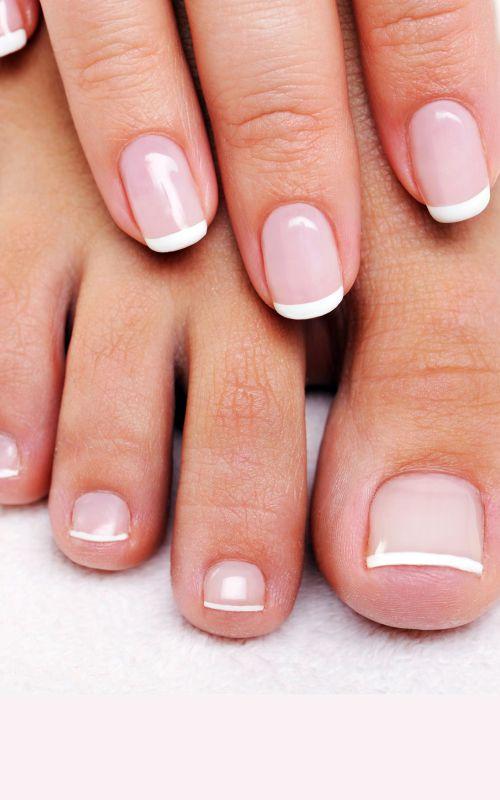
Weakened nails due to changes in thickness and strength


We must explain to you how all seds this mistakens idea off denouncing pleasures and praising pain was born and I will give you a completed accounts off the system and expound.
Consultation
Nail Changes
The nails on our fingers and toes protect them from damage, and they allow us to scratch and pick up things with our fingers. Nails are normally present on each finger and toe. There are two parts to the nails: the nail plate (the visible part of the nail) and the tissue underneath it.
The body supplies blood and nutrition to the nails. The nail bed acts as a root and receives nutrients to keep the nails healthy and allow new nail cells to form and grow. The newer cells push out the older ones as they grow. As the old cells are pushed forward, they become flatter and harder, which forms the nail plate. Because nails do not contain living cells, they can be cut without causing pain.
Nail changes can occur to fingernails, toenails, or both. The nails can be affected by certain types of cancer and cancer treatments. There can be changes in the nail bed or in the nail plate itself. It is possible for nails to change temporarily or permanently.
Weakened nails due to changes in thickness and strength
A painful, delicate nailbed, finger, or toe
Cuticles around the nailbed are dry or cracked
Nail color changes, unusual or irregular marks on the nails, such as ridges, marks, pits, spots, splitting, and so on
The nail plate lifts off the nailbed, or falls off the nailbed
A slower growth rate of the nails than usual, or a temporary lack of growth.
While it may not be possible to prevent nail changes, there are some things you can do to manage minor nail changes and keep them from getting worse. You can do the following: