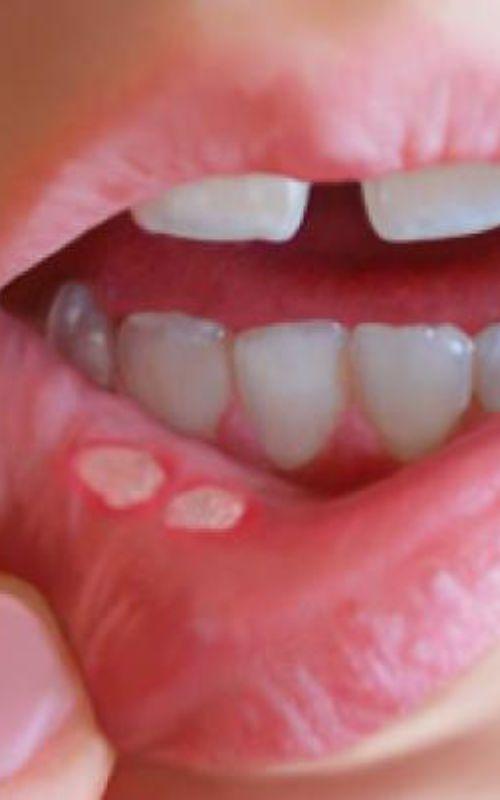
A painful sore or lesions on the skin that lines the mouth.


We must explain to you how all seds this mistakens idea off denouncing pleasures and praising pain was born and I will give you a completed accounts off the system and expound.
Consultation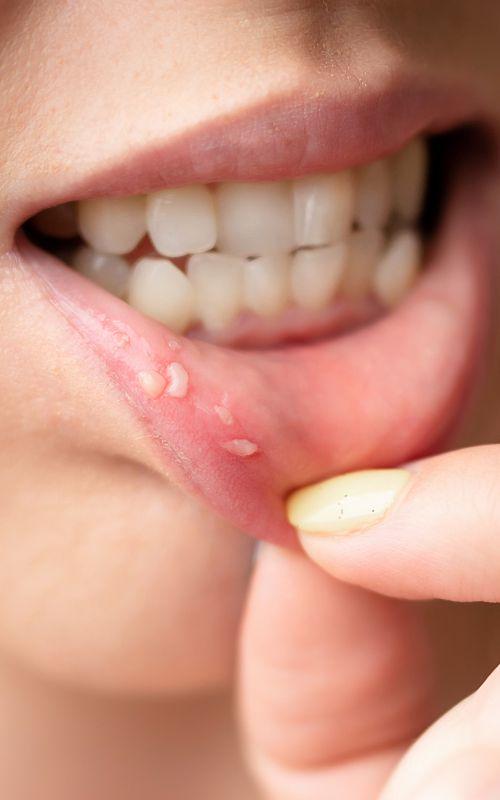
Mouth ulcers cause sore spots on the gums and in the mouth. Canker sores are another name for them. Even though they are usually unharmful, mouth ulcers can be very unpleasant and make it difficult for some people to eat, drink, and brush their teeth.
Depending on the sort of ulcer a person has, the specific symptoms of a mouth ulcer will vary in size.
There is no recognised aetiology for mouth ulcers. However, a number of factors may have a role in the emergence of these sores.
A painful sore or lesions on the skin that lines the mouth.
Skin that is swollen around the sores
Recur very quickly, causing infections to appear to grow larger over time, eventually combining to produce a huge, ragged ulcer.
Difficulties eating or brushing teeth because of the discomfort.
Foods that are salty, spicy, or sour that irritate the sores.
Decrease in appetite.
Most mouth ulcers don't require medical attention. However, a number of therapies can lessen discomfort and speed up recovery if you experience mouth ulcers frequently or they're very unpleasant. These consist of:
However, there are specific circumstances where a person should schedule an appointment with a dermatologist right away. A few of these situations include:
A non-painful ulcer developing in one or more parts of the mouth, strange ulcers appearing in new places of the mouth, ulcers that are spreading, and ulcers lasting longer than 3 weeks.