
Itchy scalp


We must explain to you how all seds this mistakens idea off denouncing pleasures and praising pain was born and I will give you a completed accounts off the system and expound.
Consultation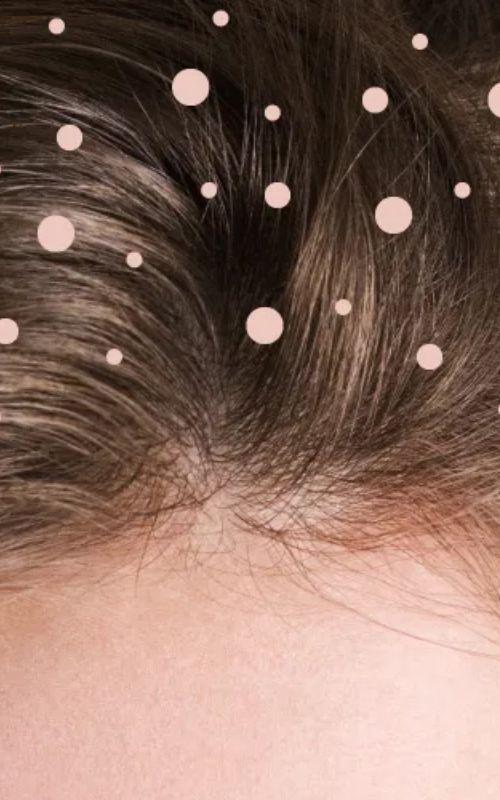
Most people acquire dandruff at some point in their lives, however it is more common from adolescence through middle age. The most likely causes include seborrheic dermatitis, allergic reactions, psoriasis, and eczema. An response to Malassezia, a yeast that develops on the scalp, is one of the causes of seborrheic dermatitis. Age, weather, stress levels, medical conditions, and hair product selection are all factors that increase the probability of developing dandruff.
Dandruff is more common in those who have oily skin. The explanation is that a yeast called Malassezia globosa feeds on scalp oils. Because some people's systems interpret oil breakdown as an irritant, the scalp responds by increasing the rate at which skin cells regenerate, resulting in dandruff. If you have a severe case of dandruff, you most likely have a mild form of seborrheic dermatitis (SD). SD is a chronic kind of eczema that affects the parts of the body that secrete the most sebum, or oil.
Itchy scalp
Greasy or dry scales on the scalp
skin cracking
Yellowish to reddish scaly raised bumps along the hairline
Scalp swelling
Bleeding of the scalp
Because dandruff is caused by dry scalp, hot oil therapy can be quite beneficial for dry scalp. Using nourishing oils like coconut or canola oil to massage your scalp on a regular basis might also be beneficial. Using an anti-dandruff shampoo can also aid in the removal of fungal development. Dandruff shampoos are categorised based on the medicine included within them. Some are accessible by prescription in stronger forms.
Medicated and nonmedicated hair and scalp products are available in the form of solutions, foams, gels, sprays, ointments, and oils. You will very certainly require repeated or long-term therapy. Stop using any product if you experience itching or stinging. If the condition persists, you can visit our clinic or consult our medical expert for a customized treatment options.

