
Hair loss is noticeable during washing or combing hair


We must explain to you how all seds this mistakens idea off denouncing pleasures and praising pain was born and I will give you a completed accounts off the system and expound.
Consultation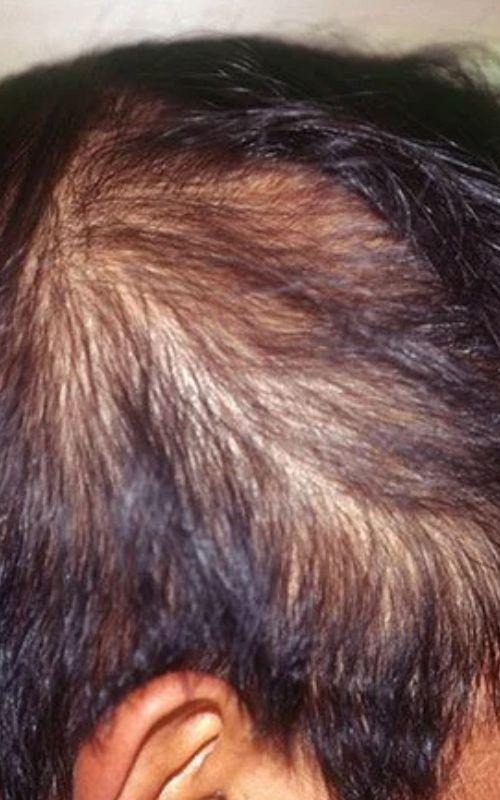
The biological clock of the body normally governs the hair growth cycle. Under normal circumstances, 80 to 90% of hair is in the Anagen or growing phase, while 10% is in the falling or Telogen phase. It is typical to lose 100 to 150 hairs every day. However, metabolic changes such as pregnancy, starvation, and other stressful situations disrupt the biological clock within hair follicles, causing a high number of hair follicles (about 70%) to enter the Telogen phase. This disrupts the usual Anagen-Telogen ratio, resulting in substantial hair loss.
Telogen Effluvium is commonly caused by the following factors Emotional tension, Serious wounds, Significant surgery, Pregnancy, Haemorrhage, crash diet, Malaria, TB, and HIV infection are examples of illnesses. Intake of oral contraceptives for a thyroid disorder, convulsions, high blood pressure, and natural deficiencies may also cause telogen effluvium.
Hair loss is noticeable during washing or combing hair
Scalp that appears healthy
Hair loss that is widespread
Temporary hair thinning
Hair loss with a white bulb and an absence of a shining sheath
Hair that is dry, lusterless, and readily pluckable
Telogen Effluvium usually cures on its own after 6 to 8 months. However, because stress to the body is the primary cause of Telogen Effluvium, therapy begins with recognising the true source of stress, which might be pregnancy, hormonal changes, or metabolic abnormalities. The therapy also includes patient counselling on the patient's history and awareness of the hair cycle.
The treatment plan involves, Catagen-inducing medications such as beta-blockers, anticoagulants, and antithyroid medicines should be reduced. We also suggest treating any underlying metabolic or hormonal problem treatment, taking Iron, zinc, oestrogen, and protein supplements. Eating an Iron-rich diet also greatly helps. Minoxidil topical treatment helps to enhance hair growth.

