Itchy or dry skin, particularly on the buttocks, upper arms, or legs.


We must explain to you how all seds this mistakens idea off denouncing pleasures and praising pain was born and I will give you a completed accounts off the system and expound.
Consultation
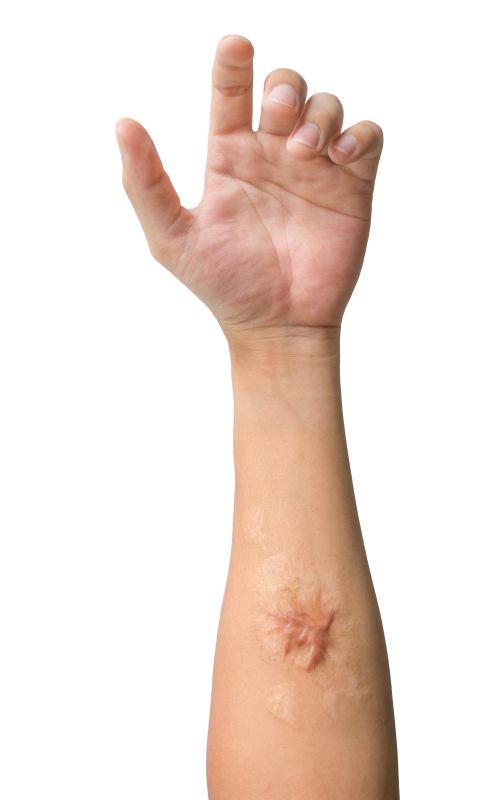
A thick elevated scar is known as a keloid scar. It can happen everywhere there is skin damage, although it typically develops on the chest, shoulders, cheeks, or earlobes. If you are prone to getting keloids, they may appear in multiple locations. The majority of the time, scars get smaller and disappear with time, but in a few people, the skin may overreact to the injury, leaving scars that are far larger than the initial lesion.
Although keloid scars are not physically damaging, they can nonetheless be upsetting.
Keloids are most commonly found at the site of skin trauma (e.g., acne, burns, chicken pox, wounds, insect bites, piercings, surgery, tattoos, immunizations), but they can also form on their own. The degree of the wound does not affect whether or not a keloid will develop; even a little skin abrasion can cause keloid formation.
Itchy or dry skin, particularly on the buttocks, upper arms, or legs.
The bumps are irritated, which makes them more prominent and discoloured.
Where the pimples are, the skin is rough, like sandpaper.
Bumps become worse in winter months when the air is dryer.
As seasonal changes result in low humidity and dry skin, things get worse.
Slight pinkness or redness around bumps.
Keloid scar therapy possibilities include:
The size, position, and whether the scar is inflicting discomfort or making it difficult to move depend on the treatment options for keloid formations. The course of treatment may also be influenced by your age and the age of the scar.
Typical treatments could be:
1. Shots of Intralesional steroid injection
2. Surgery: The keloid is removed through surgery. The scar may occasionally grow back. After the operation, the doctor may use radiation to treat the scar.
3. Laser treatments help to flatten the skin and lessen the redness of the scars.
4. Applying silicone sheets or gel for a prolonged period of time
5. Applying tape containing steroids for 12 hours each day
6. Cryotherapy, or the freezing of keloid scars to stop their progression
7. Pressure earrings, a unique style of earring, can assist to lessen keloid scarring in your earlobes.
8. Injections of interferon: The body produces interferon, a protein that aids in the defence against viruses. Injections of interferon have been found to aid in reducing the size of keloid scars.
9. Bleomycin and fluorouracil injections: Keloid scars can be treated with anti-cancer medications like bleomycin and fluorouracil.
10. Radiation therapy.
Keloids are often not harmful, but if the scar feels unpleasant or tender, itchy or infected, book an appointment with the top dermatologist in the industry at Revitalis.